
Assisted living communities use a combination of building design, staff procedures, emergency planning, and resident-specific support to reduce everyday risks. For households in Pleasant Hills, PA, understanding these features can make it easier to compare communities and ask focused questions before a move.
What safety features should an assisted living community have?
A safe community should address several kinds of risk at the same time: falls, medication errors, fires, medical emergencies, wandering, severe weather, and changes in a resident’s mobility or memory.
Common safety features include:
- Smoke detectors, fire alarms, sprinkler systems, and clearly marked exits
- Emergency call systems in apartments and bathrooms
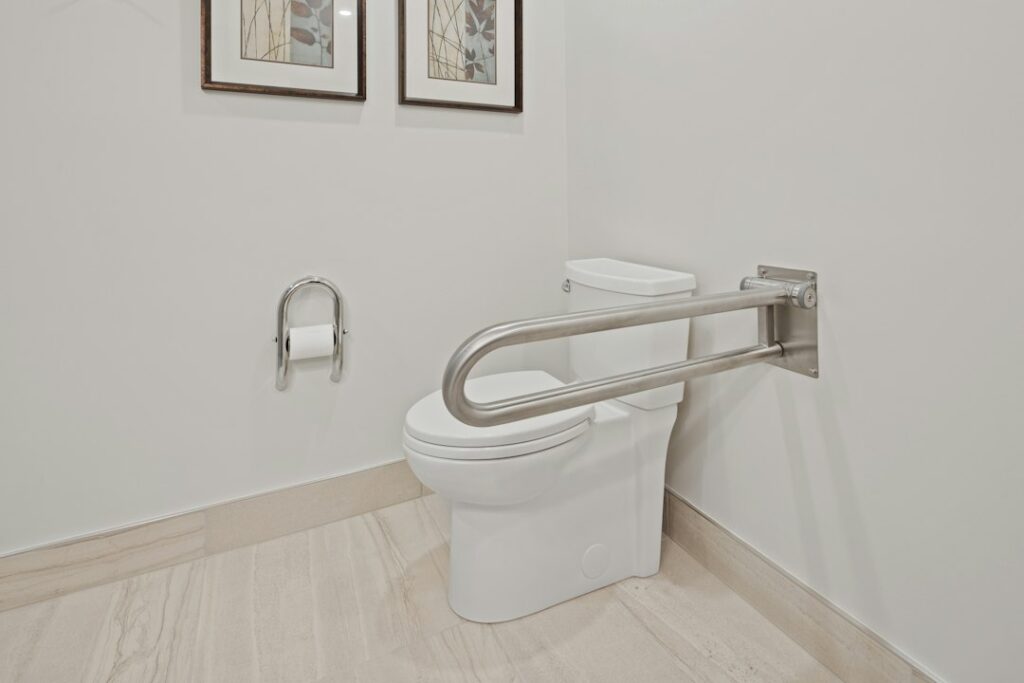
- Handrails, grab bars, non-slip flooring, and well-lit hallways
- Secure areas or monitored exits for residents at risk of wandering
- Medication storage, administration, and documentation procedures
- Staff training for first aid, emergency response, infection prevention, and resident protection
- Written plans for evacuation, power outages, severe weather, and other emergencies
- Regular inspections, drills, maintenance checks, and incident reviews
No single device guarantees safety. The strongest approach combines physical safeguards with staff members who understand each resident’s needs and know how to respond when conditions change.
How are falls prevented?
Fall prevention usually begins with the layout of the building. Hallways should be free of clutter, flooring should provide stable footing, and transitions between rooms should be easy to see. Adequate lighting is especially important near bathrooms, stairways, entrances, and other areas used at night.
Apartments and common areas may include:
- Grab bars near toilets and showers
- Shower seats or accessible bathing areas
- Raised-contrast edges on steps or changes in floor level
- Handrails on both sides of longer corridors
- Seating areas where residents can rest
- Mobility-friendly doors and elevators
- Night lighting in bedrooms, bathrooms, and hallways
Fall prevention also depends on personal routines. Staff may help residents use walkers correctly, choose appropriate footwear, keep frequently used items within reach, and report dizziness or weakness. A community should explain how it responds after a fall, including medical assessment, family notification, documentation, and review of possible causes.
A common misconception is that removing every possible source of independence makes a building safer. Excessive restrictions can reduce activity and confidence. Good safety planning aims to support movement while reducing avoidable hazards.
What protections are used for fires and evacuations?
Fire safety features generally include alarm systems, smoke detectors, sprinkler protection where required, emergency lighting, fire-rated doors, and accessible exit routes. Staff should also know which residents need physical assistance, supervision, or additional time during an evacuation.
Pennsylvania assisted living regulations require emergency preparedness and fire-safety procedures. Communities must be able to explain their evacuation process, designated meeting areas, fire drills, and methods for accounting for residents. Evacuation planning should address residents who use wheelchairs, walkers, oxygen, or other equipment.
Ask these practical questions:
- How often are fire drills conducted?
- How are residents who cannot walk independently evacuated?
- Where do residents go during an evacuation?
- How are medications, records, and emergency supplies handled?
- What happens if an elevator is unavailable?
- How are families notified after a serious emergency?
Winter conditions can add local concerns for area households. Ice near entrances, snow-covered walkways, reduced daylight, and power interruptions can affect safe access. A well-run community should have procedures for clearing walkways, maintaining backup lighting, and checking residents during extended outages.
How are medical emergencies handled?
Assisted living is designed for support with daily activities and certain health needs, but it is not the same as a hospital or nursing facility. Each community should clearly define what medical services it can provide and when a resident must be transferred for a higher level of care.
Emergency systems may include pull cords, wall-mounted buttons, wearable alert devices, two-way communication systems, or staff checks. The useful question is not simply whether an alert system exists, but whether someone responds promptly at all hours.
Families can ask:
- Is the emergency call system tested regularly?
- Who receives alerts during the day and overnight?
- What happens if a resident does not respond?
- How are changes in health reported to family members?
- Is emergency contact information kept current?
- How are hospital transfers and return-to-community decisions handled?
For residents with significant memory loss, medical instability, or complex treatment needs, the community should explain its limits before admission rather than after a crisis occurs.
What medication safety systems should be in place?

Medication safety depends on accurate records, secure storage, clear instructions, and careful documentation. Depending on a resident’s abilities and service plan, staff may remind the resident, assist with self-administration, or administer medications under established procedures.
Useful safeguards include:
- Reviewing all prescriptions, over-the-counter medicines, and supplements
- Keeping medication lists current after doctor visits or hospital stays
- Separating medications by resident
- Recording doses that were given, refused, delayed, or missed
- Monitoring for side effects or changes in alertness
- Securing medications when self-administration is not safe
- Communicating medication changes to the appropriate family members and clinicians
Residents and families should ask how the community handles missed doses, pharmacy deliveries, controlled medications, and changes made during a hospital stay. Medication errors are not always caused by one person; incomplete records and poor communication during transitions are frequent risk points.
How are wandering and unsafe exits addressed?
Communities serving residents with Alzheimer’s disease or other forms of dementia may use secured doors, coded exits, door alarms, visual cues, enclosed outdoor areas, and increased observation. These measures should be explained as part of the resident’s care plan.
Security should not mean residents are isolated from normal activity. Ask whether residents can safely access outdoor space, dining areas, and social activities. Also ask how the community responds if a resident leaves an approved area, becomes lost inside the building, or shows a new pattern of exit-seeking behavior.
A change in behavior can signal pain, infection, anxiety, boredom, medication effects, or an unmet need. Safety procedures work best when staff investigate the cause instead of relying only on locked doors.
What should families inspect during a visit?
A scheduled tour may not reveal how a community functions during busy or difficult periods. Look for practical details such as:
- Clear walkways without loose rugs or exposed cords
- Bathrooms that allow safe turning and transfer
- Working emergency call devices
- Staff who can describe emergency procedures consistently
- Doors and exits that are secure without appearing confusing
- Clean, dry floors and promptly addressed spills
- Comfortable indoor temperatures
- Safe outdoor paths and entrances
- Updated evacuation information posted where appropriate
- Residents receiving help without being rushed
Notice whether staff respond respectfully when residents ask for assistance. A building can have modern equipment and still be unsafe if alerts are ignored, concerns are dismissed, or maintenance problems remain unresolved.
Which safety questions matter most before a move?
The most useful questions connect the community’s general systems to the specific resident. Ask how the staff would respond to mobility limitations, nighttime toileting, memory changes, falls, medication needs, hearing loss, or a desire to go outdoors independently.
In Pennsylvania, assisted living residences are subject to requirements involving fire safety, emergency preparedness, staff training, resident health, physical conditions, and service delivery. Families can ask to review the residence’s licensing status and inspection information, then compare those records with what is observed during a visit.
Safety is not a one-time feature checked at move-in. Needs may change after an illness, fall, hospitalization, or decline in memory. A responsible community should reassess the service plan, communicate changes clearly, and explain when the setting may no longer be able to provide an appropriate level of support.
