
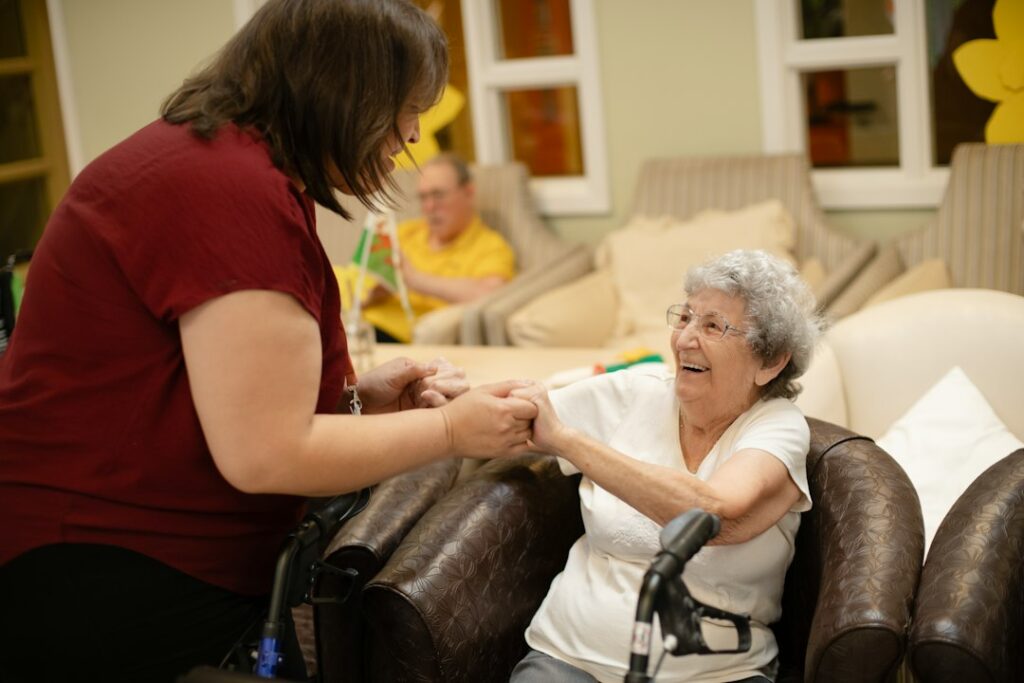
What is a personalized care plan?
A personalized care plan is a written, regularly updated outline of how an assisted living resident’s health, daily routines, preferences, and safety needs will be supported. It helps turn general assistance into care that reflects the individual rather than treating every resident the same way.
A plan may address:
- Medication reminders and health monitoring
- Bathing, dressing, grooming, and toileting assistance
- Mobility, transfers, and fall prevention
- Meal preferences, dietary needs, and hydration
- Sleep routines and daily schedules
- Memory support and communication needs
- Social activities, hobbies, and spiritual practices
- Emergency contacts and advance care preferences
The plan should be based on current information gathered from the resident, family members when appropriate, healthcare professionals, and the assisted living care team. It is not a permanent document. Needs can change after an illness, injury, hospitalization, medication adjustment, or change in mobility.
Why does individualized planning matter?
Personalized planning supports safety, dignity, independence, and continuity. A resident may need help with one task while remaining fully capable of making decisions in other areas. A detailed plan helps staff provide the right level of assistance without taking away abilities the resident still has.
For example, one person may need reminders to take medication but be able to walk independently to meals. Another may need help transferring from a bed to a chair but prefer to choose clothing, arrange personal items, and decide how to spend the afternoon.
Without clear planning, care can become overly broad. Staff may assist too much, too little, or in ways that do not match the resident’s usual habits. Personalized instructions reduce confusion and make it easier for different caregivers to provide consistent support.
How does a care plan protect independence?
A good plan identifies what a resident can do safely, what requires supervision, and what requires hands-on help. This distinction is central to preserving independence.
The plan might specify that a resident:
- Uses a walker but needs reminders to keep it nearby
- Dresses independently but needs help with buttons
- Eats independently but benefits from food cut into smaller pieces
- Manages personal finances but needs help organizing appointment information
- Enjoys group activities but becomes overwhelmed in noisy settings
This approach avoids assuming that a diagnosis defines every part of a person’s life. A medical condition may affect balance, memory, vision, or stamina, but it does not automatically determine a resident’s preferences, judgment, or capabilities.
Independence may also mean making choices. A person should have opportunities to decide when to wake up, what to wear, which activities to attend, and how to maintain familiar routines whenever safety allows.
What should families expect to see in a care plan?
Families should expect a care plan to contain specific, practical instructions rather than vague statements. “Needs assistance with mobility” is less useful than “Uses a rolling walker and requires standby assistance when moving from the bedroom to the bathroom.”
A complete plan commonly describes:
- The resident’s abilities and limitations
- Preferred routines and communication style
- Known health conditions and warning signs
- Medication-related instructions
- Fall, wandering, choking, or allergy risks when applicable
- Assistance needed during meals, bathing, dressing, or transfers
- Sleep patterns and nighttime needs
- Preferred activities and sources of comfort
- Emergency procedures and important contacts
- The date of the last review and any changes made
Families can ask how information was gathered, who updates the plan, and how changes are communicated. They may also ask whether the resident’s own preferences are documented, not just medical facts.
How often should a personalized care plan be reviewed?
A care plan should be reviewed on a regular schedule and whenever a meaningful change occurs. The exact review process may vary according to the community’s policies and applicable Pennsylvania requirements, but waiting for a scheduled review is not appropriate after a significant change in condition.
Updates may be needed after:
- A fall or near-fall
- A hospital stay or rehabilitation period
- A new diagnosis
- A medication change
- Weight loss, dehydration, or repeated refusal of meals
- Increased confusion or changes in behavior
- Declining vision or hearing
- New difficulty walking, transferring, or completing personal care
- Changes in family involvement or decision-making preferences

Seasonal conditions can also affect practical needs for residents in Pleasant Hills. Winter ice, snow, shorter daylight hours, and cold temperatures may increase fall risks or make outdoor activities more difficult. During warmer weather, hydration, heat exposure, and safe transportation may deserve additional attention. These factors do not replace medical assessment, but they can be relevant to daily planning.
What role should the resident and family play?
The resident should be included as much as possible because personal knowledge is essential to useful planning. A family member may know long-standing routines, food preferences, cultural practices, past injuries, or signs that the resident is becoming unwell. Those details can be especially helpful when memory loss or communication difficulties make self-reporting harder.
Participation may include discussing:
- The resident’s preferred name and communication style
- Typical sleep and meal patterns
- Personal-care preferences
- Favorite activities and interests
- Situations that cause anxiety or frustration
- Successful ways to encourage cooperation
- Important cultural, religious, or family traditions
- Preferences about privacy and visitors
A resident’s choices may change over time. Family members should avoid assuming that an old preference still applies without asking. The most useful plans balance current wishes, known abilities, health needs, and reasonable safety precautions.
What are common misunderstandings about care plans?
One misunderstanding is that a care plan is only for people with serious medical conditions. In reality, even a relatively independent resident benefits from clear information about routines, risks, preferences, and early warning signs.
Another misconception is that more assistance is always better. Excessive help can reduce activity, confidence, and physical ability. The goal is appropriate support, not unnecessary dependence.
Some families also assume that a care plan is the same as a medical record. It is related to medical information but has a broader daily purpose. It explains how support should be provided in ordinary situations, while clinical records contain diagnoses, test results, treatment notes, and other health documentation.
A further concern is that a plan may be written once and then forgotten. A plan that does not reflect current abilities can create safety problems. Reviews should result in actual changes when the resident’s needs or goals have changed.
How can families recognize a strong care plan?
A strong plan is specific, current, respectful, and understandable. It describes the resident as a whole person, not only as a list of diagnoses or limitations.
Useful questions include:
- Does the plan explain what the resident can do independently?
- Are assistance instructions detailed enough to follow consistently?
- Are the resident’s preferences included?
- Does the plan identify changes that should be reported?
- Is there a clear process for updating it?
- Do staff members appear to follow the same instructions?
- Are family concerns documented and addressed appropriately?
Personalized care planning works best as an ongoing conversation. It gives residents a stronger voice in daily life, helps families understand how support is organized, and provides caregivers with practical guidance that can be adjusted as circumstances change.
