
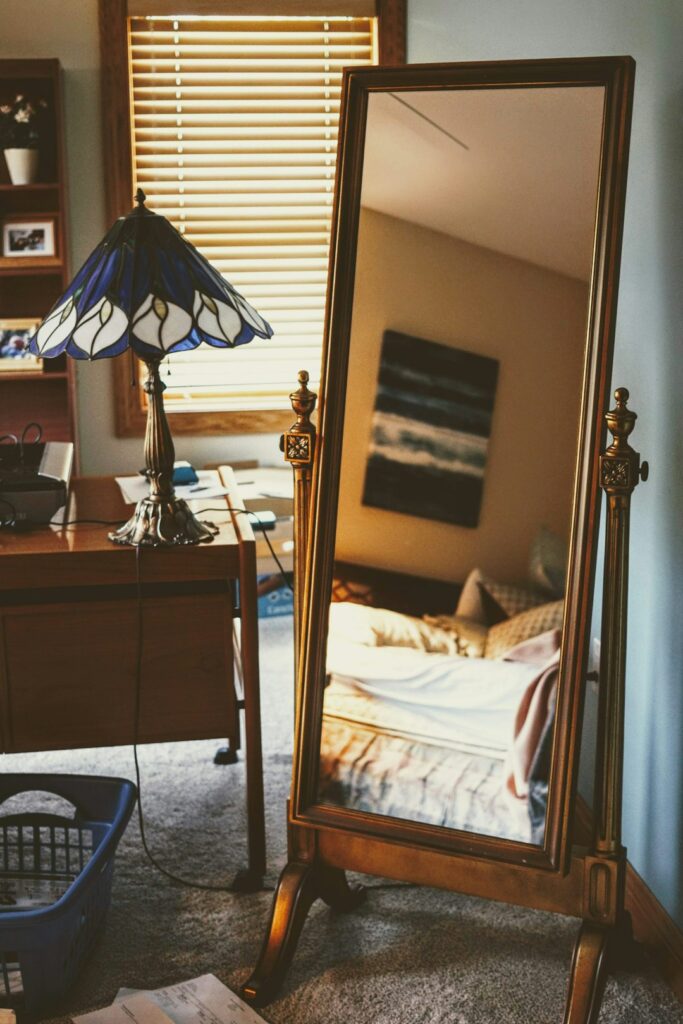
Moving into assisted living often involves more than changing an address. It can mean adjusting to a shared setting, a new daily schedule, unfamiliar surroundings, and changes in how personal routines are managed. The space may be safe and comfortable, but it may not feel like home right away.
A sense of home develops through familiarity, personal choice, meaningful relationships, and the freedom to keep everyday habits wherever possible. Families and residents can support that process through thoughtful planning before move-in and small adjustments over time.
What helps assisted living feel more like home?
Assisted living feels more personal when the resident can recognize familiar belongings, follow preferred routines, make daily choices, and maintain connections with people and activities that matter.
A room does not need to contain everything from a previous home. It should contain the items that provide comfort, identity, and practical familiarity. Useful choices may include:
- Favorite photographs in simple frames
- A familiar blanket, quilt, or comfortable chair
- A small collection of books, puzzles, or craft supplies
- A clock that is easy to read
- Familiar music, artwork, or religious items
- A calendar showing family visits and special events
- A preferred cup, lamp, or bedside item
Personal belongings should be arranged with safety in mind. Walkways need to remain clear, and furniture should not block doors, bathroom access, heating equipment, or emergency pathways. Items that create a tripping hazard or require difficult maintenance may cause more stress than comfort.
How can a resident keep a sense of personal identity?
Personal identity is supported when the resident’s room reflects who they are, not only what care they need. Clothing, photographs, hobbies, cultural traditions, and favorite subjects can help preserve continuity.
A retired gardener may appreciate a small collection of plant photographs or a seasonal nature calendar. Someone who enjoyed cooking may feel connected through recipe cards, familiar kitchen-themed décor, or conversations about favorite meals. A former teacher, mechanic, musician, volunteer, or caregiver may value objects that reflect those experiences.
Personal identity also includes how a person is addressed. Staff and family members should use the resident’s preferred name and ask about routines rather than assuming that every person wants the same schedule or activities.
Residents may also want to make decisions about:
- What to wear
- When to wake up or go to bed
- Where to sit during meals
- Which activities to attend
- How often to receive visitors
- Which personal items remain visible or stored
These choices may appear small, but they help preserve independence and dignity.
Should families bring furniture and household items?
Families can usually make a room feel warmer by bringing selected furniture and familiar household items, but the amount should be guided by room size, mobility needs, and facility safety rules.
Before moving belongings, measure the room and consider how the resident will move through it using a walker, wheelchair, cane, or other equipment. A familiar recliner may be comforting, but it should not reduce the turning space needed for safe transfers. A low table may look attractive but could become a fall risk.
It can help to create three groups:
1. Bring now: Items that provide daily comfort or are necessary for routine.
2. Store for later: Belongings that may be useful but would overcrowd the room.
3. Leave behind: Items that are fragile, valuable, difficult to clean, or unsafe.
Labeling clothing and personal belongings can reduce confusion, especially when laundry is handled collectively. Families should also keep a simple record of valuable or sentimental items.
How can routines be preserved after the move?
Familiar routines help reduce the feeling that life has been completely rearranged. A resident who usually reads after breakfast, takes an afternoon rest, watches a favorite type of program, or calls family in the evening may feel more settled when those habits continue.
The first days may require flexibility. Moving can be tiring, and the resident may need time to learn meal schedules, medication routines, activity times, and the location of common areas. A written daily rhythm can help everyone understand what feels normal to the resident.
For example, a routine might include:
- Getting dressed before breakfast
- Reading the newspaper or a favorite book in the morning
- Taking a short walk indoors or outdoors when conditions permit
- Resting after lunch
- Calling a family member at a familiar time
- Listening to music before bed
Pleasant Hills experiences cold winters, hot and humid summer periods, and changing weather during spring and fall. Seasonal comfort may require practical planning, including suitable clothing, footwear, sunscreen, hydration, and safe indoor alternatives when outdoor walks are not comfortable.
What role do family visits play?
Regular visits are usually more helpful when they are predictable and suited to the resident’s energy level. Long or frequent visits are not always necessary. A shorter visit built around a familiar activity may be more meaningful than a crowded gathering.

Family members can make visits feel natural by:
- Looking through photographs
- Sharing a snack, if permitted
- Folding laundry together
- Listening to familiar music
- Taking a supervised walk
- Watching a favorite program
- Helping decorate for a season or holiday
Visits should not always focus on care concerns or questions about memory. Ordinary conversation helps the resident remain connected to family life rather than feeling that every interaction is an evaluation.
For residents whose family members live farther away or have demanding schedules, a consistent phone or video call may provide continuity. A large calendar can show upcoming visits and calls, reducing uncertainty.
How can residents build relationships in a shared setting?
A private room can feel familiar, but relationships help the larger living environment feel comfortable. Residents may need time before joining group activities or eating with others. Participation should be encouraged without creating pressure.
Starting with smaller interactions may be easier. A resident might sit in a common area for a short time, attend an activity connected to an existing interest, or have a conversation with one neighbor. Familiar faces and repeated contact can gradually create a sense of belonging.
It is also reasonable for residents to prefer quiet time. Feeling at home does not require constant social activity. A comfortable balance may include group participation, private interests, visits, and uninterrupted rest.
What if the resident does not feel at home?
Adjustment can take days, weeks, or longer. Feeling unsettled does not necessarily mean the move was a mistake. Signs of difficulty may include withdrawal, repeated requests to go home, disrupted sleep, irritability, loss of appetite, or refusal to participate in normal activities.
Families should listen for specific concerns. The problem may be noise, room temperature, unfamiliar food, difficulty finding the bathroom, lack of privacy, poorly timed visits, or anxiety about personal belongings. Solving a practical issue may improve comfort more than adding decorations.
A useful approach is to change one or two factors at a time, observe the response, and keep communication clear with the people involved in daily care. If there are sudden changes in mood, behavior, eating, sleep, or physical ability, medical attention may be appropriate because illness, pain, medication effects, or infection can sometimes appear as emotional distress.
How can comfort be maintained over time?
Making a room feel like home is not a one-time project. Preferences may change as mobility, memory, health, or interests change. Furniture may need to be rearranged, clothing adjusted for the season, or activities modified.
Families can review the room and routine periodically by asking:
- Is the resident using the items that were brought?
- Is anything creating clutter or a safety concern?
- Does the resident have enough privacy?
- Are favorite activities still accessible?
- Does the daily schedule reflect current preferences?
- Are personal and seasonal needs being addressed?
The goal is not to recreate an entire former house. It is to create a familiar, safe, and respectful environment where the resident can recognize personal belongings, maintain meaningful routines, and continue making choices in daily life.
