

How Does Assisted Living Support Residents' Independence?
Assisted living in Pleasant Hills, PA is designed around the idea that adults can benefit from both support and independence as they age. The goal isn't to take over daily life, but to provide just enough structure, resources, and safety so residents can enjoy their routines while managing health or mobility challenges.
For many local households, this often means a shift from maintaining a single-family home to a community setting. This approach emphasizes personal choice, privacy, and autonomy—while ensuring help is available when needed.
What Choices Are Residents Able to Make Daily?
Residents in assisted living can decide how to spend their days, tailoring activities and schedules to their personal interests and energy levels.
- Meals are typically offered in communal dining rooms with flexible times, and residents can choose what and when to eat.
- Personal routines—such as waking up, socializing, or relaxing—are set by each individual, not dictated by staff.
- Hobbies and recreation options, ranging from card games and knitting to fitness classes or gardening, are provided, but participation is always voluntary.
For many in the community, retaining this day-to-day control is central to feeling independent.
How Are Health Needs Balanced with Personal Freedom?
Health management in assisted living aims to support, not restrict, residents. Trained staff are on-site to help with medication reminders, basic personal care, and mobility when necessary, yet residents direct their own care to the greatest extent possible.
- Assistance is typically offered only as requested or needed, so those who wish to manage most things privately can continue to do so.
- Medical care and transportation are coordinated in ways that respect resident schedules and preferences.
This focus on self-direction helps adults in Pleasant Hills maintain confidence and involvement with their care, rather than feeling powerless.
Do Residents Keep Their Privacy?
Privacy is a top concern for many considering assisted living. Apartment-style housing, private bathrooms, and secure entryways are standard. Residents can welcome visitors at their discretion or enjoy time alone.
Residents decide:
- Who enters their living space and when
- How and where to spend private leisure time
- Who to include in activities or meals
Private spaces are respected, with staff entering only for scheduled housekeeping or when invited.
What Kinds of Activities Build a Sense of Independence?
Engagement and connection are vital, but so is self-direction. Assisted living communities typically offer a broad calendar of programs that aim to enrich daily life—without pressure to join in.
Examples include:
- Local walks or outdoor relaxation, which take advantage of the area’s changing seasons while encouraging movement and fresh air
- Classes in creative arts, music, or technology, allowing residents to learn and share new skills
- Community discussions or clubs, where residents shape topics or even start new groups based on their interests
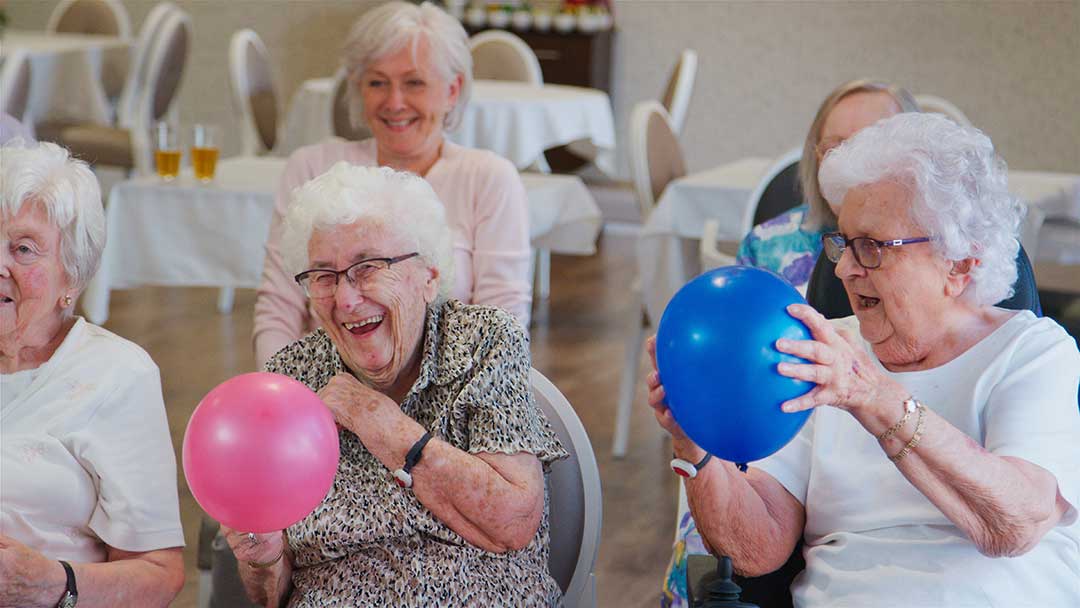
These activities are meant to supplement—not replace—residents' personal pursuits, making it easier for those in Pleasant Hills to remain engaged on their own terms.
How Does Assisted Living Adapt to Changing Needs?
One misconception is that moving to assisted living means a fixed level of care. In reality, supports are personalized and can be adapted over time. If a resident becomes more independent, assistance can be reduced; if needs grow, more help can be added with dignity and respect.
This flexibility means adults in Pleasant Hills can continue to make their own decisions about housing and care longer, instead of needing to move again as needs evolve.
What Role Do Family and Friends Play?
Assisted living does not limit visits or outside relationships—in fact, many communities are designed to facilitate meaningful connections with loved ones.
Residents can:
- Host family gatherings in common spaces or private apartments
- Join fellow residents for group outings in the local area
- Make independent choices about whom to interact with and how often
This reinforces a sense of belonging and allows older adults to maintain their identity outside the assisted living setting.
What Misconceptions Exist About Losing Independence?
Some believe that assisted living means giving up all control or living according to strict schedules set by others. In practice, the model is intended as a partnership, providing support when asked for and stepping back when not needed.
Residents have the right—and are encouraged—to:
- Make decisions about care, routines, and social life
- Advocate for changes if something isn’t working
- Continue to live as independently as possible, with only the supports they choose
Area residents often feel more empowered after moving to assisted living, as they are freed from household burdens but retain essential freedoms.
